
MÓDULO · 01
SOS tracking
Last position and context even if the phone GPS fails; SOS with direct traceability on the map.
Status: activeA tactical canvas with your field team, context-rich SOS and an open mesh radio (Meshtastic) that never rides the operator’s mobile network: only the Gateway at base needs one internet uplink. For extended operations —agriculture, forestry, estate security— where commercial connectivity is unreliable.
Visibility, alerts, traceability and governance — all on one canvas, no scattered tools.
Last position and context even if the phone GPS fails; SOS with direct traceability on the map.
Status: activePerimeters on the map and warnings when a unit enters or leaves critical zones.
Status: activeUnified history, fast post-incident review and export for audit.
Status: activeAES-256 channel encryption (Meshtastic) on-device, multi-tenant and auditable role-based access.
Status: activeMap, SOS, geofences and history in the same panel. Fewer scattered tools; more clarity when commercial connectivity is unreliable.
Continuity when LTE fails: nodes, neighbors and local state until uplink is restored.
A single IP point syncs the remote board; the operator never depends on mobile data.
Per-organization isolation and on-device protection before anything goes on the air.
Traditional industrial platforms assume static beacons, cabling and closed clouds. Sentinel moves with the operator.
Where commercial connectivity doesn’t reach, Sentinel keeps your team visible and connected — with no per-message fee.
Before: Crews and machinery invisible the moment they leave the yard; an SOS in the field nobody hears.
After: Position, chat and SOS over radio across the whole field, even when cellular won’t lock.
Before: Patrols with no traceability and late alerts in estate zones without signal.
After: Live guard location, zone geofences and context-rich SOS to the control room.
Before: Pits and quarry faces with no coverage: personnel out of contact and unlogged.
After: Off-grid comms and traceability across the whole quarry, with no per-message fee.
Before: Teams coordinating over handhelds, with no shared map or operation log.
After: Shared canvas, context-rich SOS and deployment in minutes — no civil works.
Sentinel removes third-party dependency with auditable mechanisms: open firmware (Meshtastic) with channel encryption and Sovereignty Mode — designed to run without any external cloud.
Nodes run open Meshtastic firmware with AES-256 channel encryption. The key belongs to your organization (not a third-party auth provider) and devices cache it offline: if the cloud goes down, the mesh keeps operating.
A toggle cuts all cloud telemetry: positions, SOS, chats and sync stay 100% local — LoRa + BLE + on-device storage. Per shift, per mission or permanent.
The bridge processes and stores locally on the gateway. If you configure uplink, only sanitized summaries travel — never raw trajectories or message content.
An SOS triggered from the app is signed with Ed25519 on the device (alert integrity and non-repudiation). Every SOS event, position and state change lands in a structured log you export, audit and retain in your own infrastructure. The digital chain of custody is yours.
Field over radio, IP sync only at the edge: the Gateway is the only point that needs internet access for the remote board.
Onboard in minutes, admin users and operators with clear permissions — no integrator needed for the first deployment.
Nodes link by radio with the Gateway Pro; the map and history reflect SOS, positions and events in one place.
If the uplink drops, the node↔gateway radio link keeps working locally; when Wi-Fi or 4G returns, the cloud recovers state with traceability.
Field nodes and edge gateway. One-time acquisition cost; the SaaS subscription covers platform, map and continuous operation.
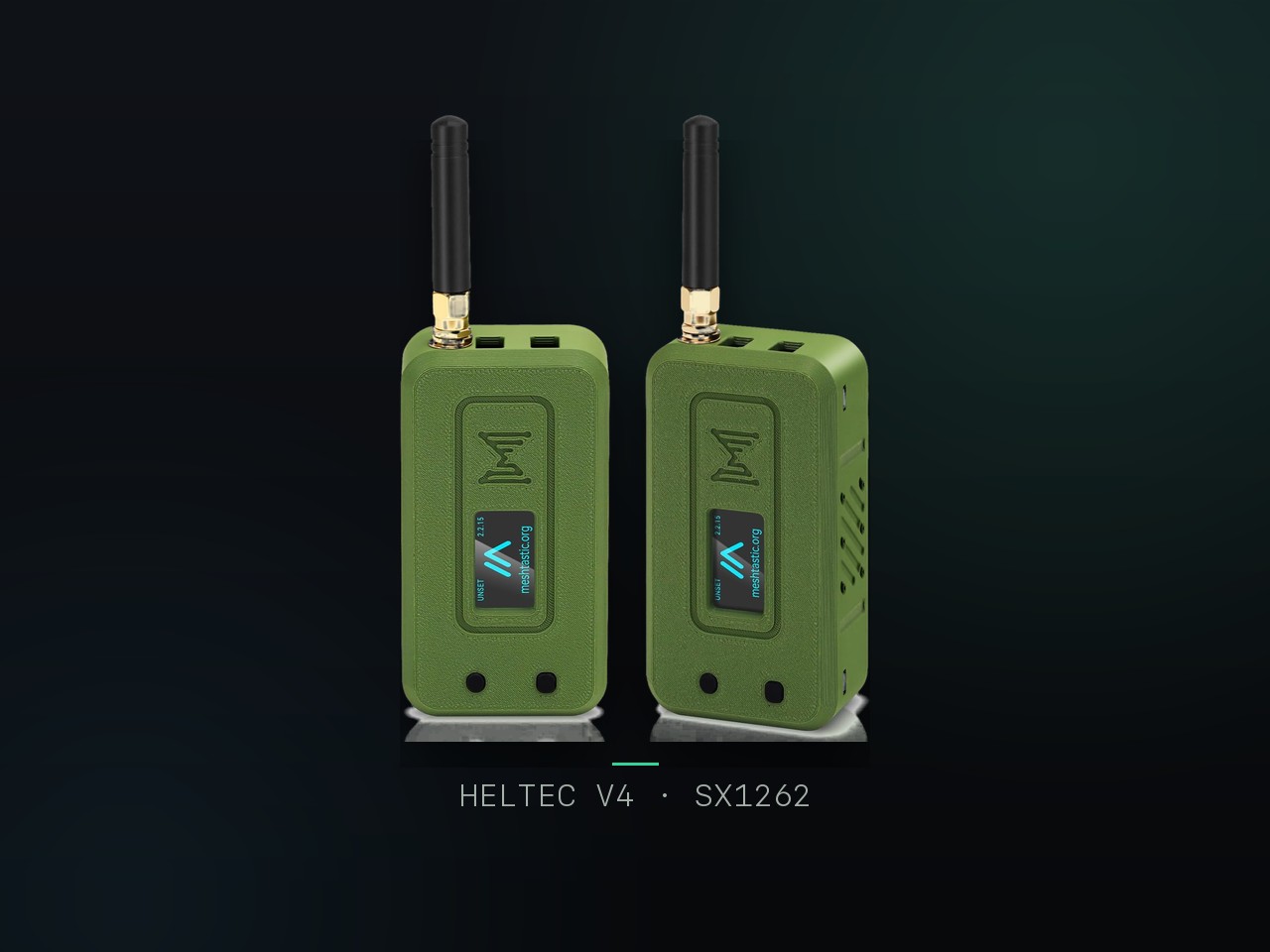
Heltec V4, LoRa SX1262 radio, L76K GPS, rechargeable 18650 battery — packaged for the operator on the move.
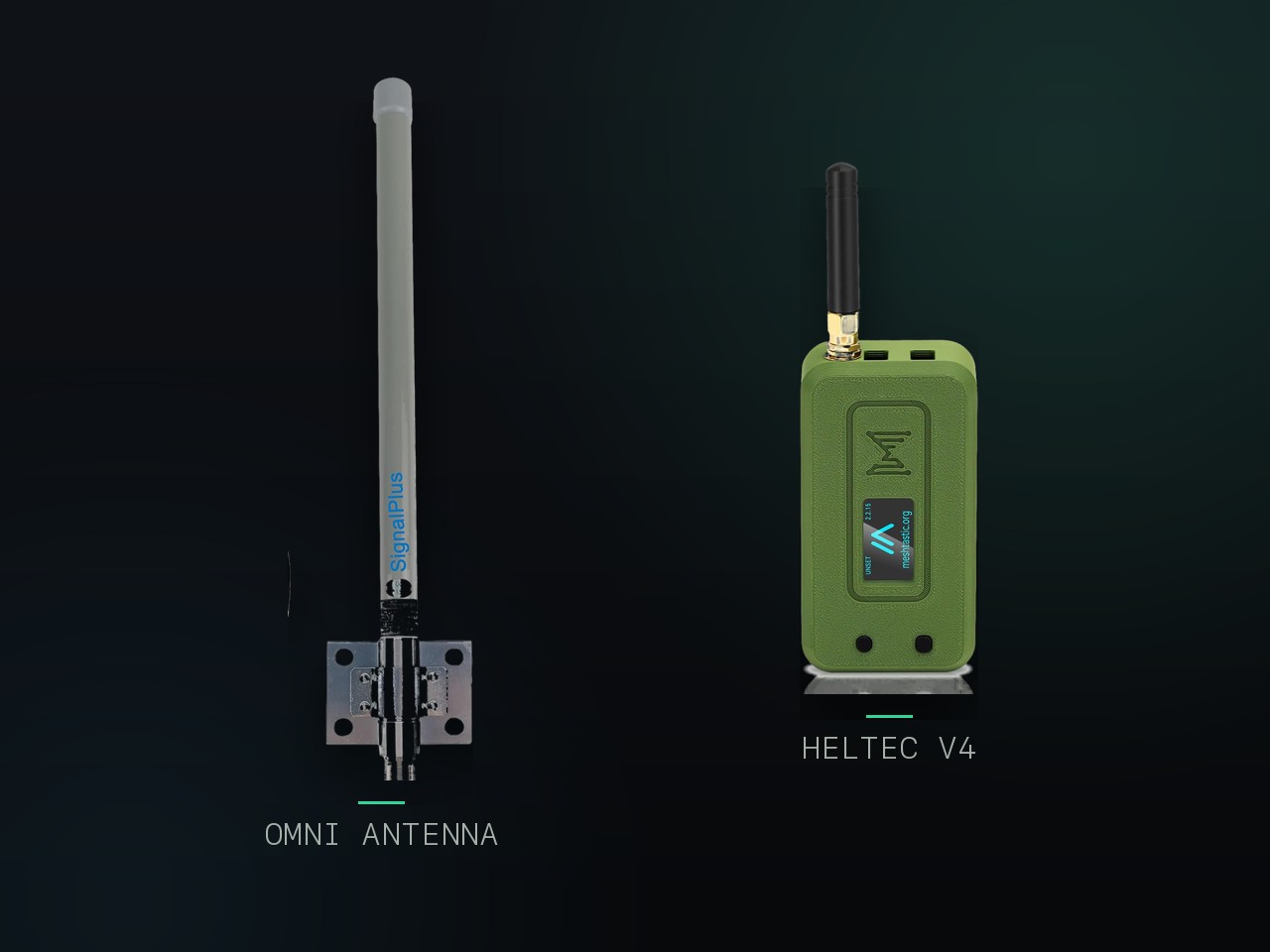
Edge gateway with a higher-gain external antenna — extends LoRa coverage and stabilizes the link to the hub.
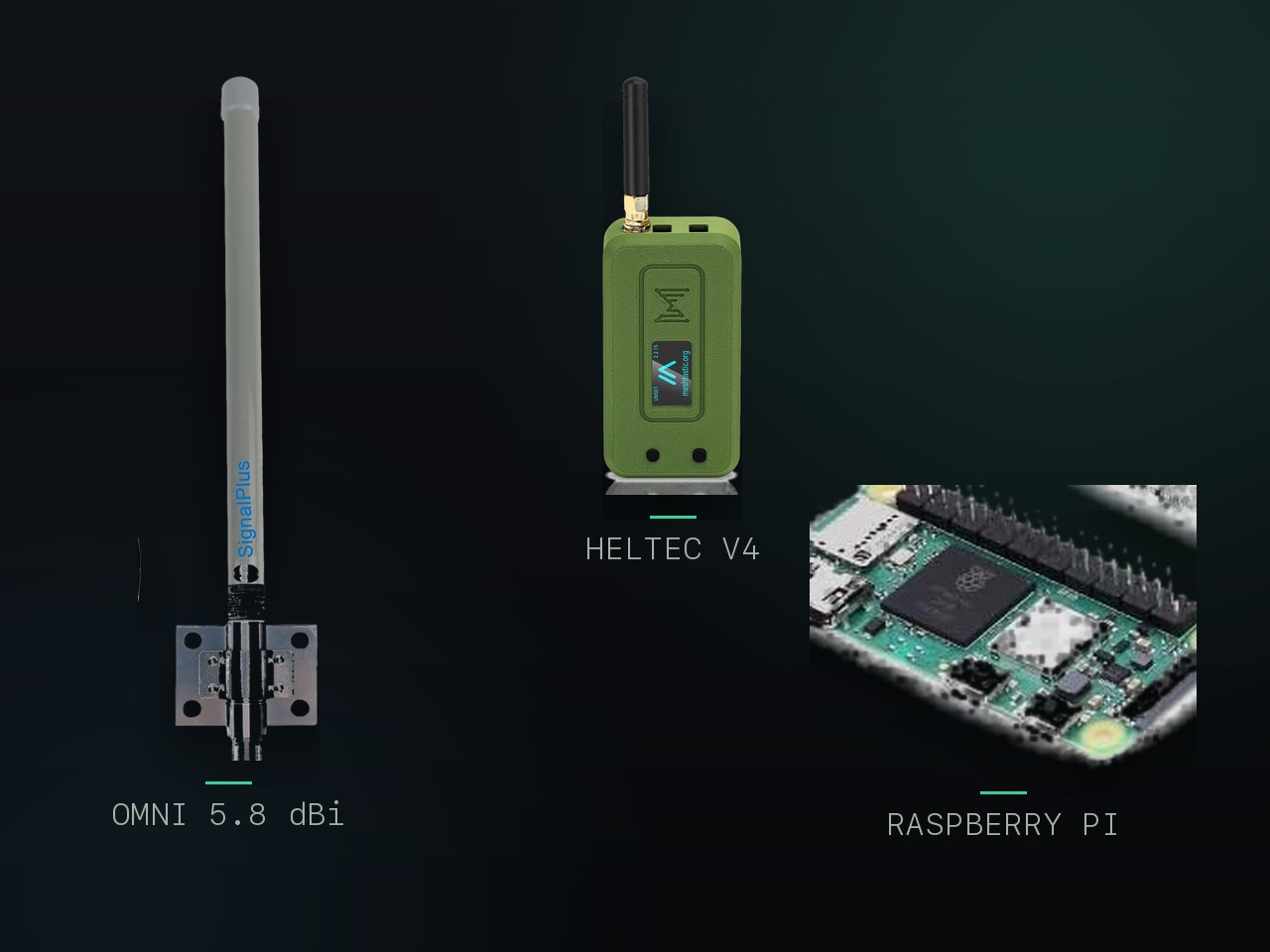
The smart bridge between field and cloud. 5.8 dBi omni antenna, Heltec V4 receiver node and Raspberry Pi brain.
Prysma Sentinel is a mesh connectivity platform (LoRa + Bluetooth) built on open Meshtastic firmware, with a cloud operations panel, built by Prysma Software. It provides communication, tracking and SOS for teams and field personnel in areas where cellular or satellite networks are unreliable — agriculture and forestry, estate security, events and rescue, and operations on routes without coverage.
Live pricing from the platform. Enterprise adds tactical edge and Prysma support.
Teams just centralizing the fleet on a map.
Daily operations with more nodes, retention and history.
Mid-size operations: more nodes, retention and priority support.
Large operations, SLA and Prysma support.
Your fleet under control on any terrain. SOS, offline map, fleet chat and BLE link to the field hardware.
Leave us a message and the Prysma team will reach out for a demo or commercial proposal. Priority to field and security operations.